
Electric Belt Loaders Vs Conventional Belt Loaders: Which Is Better For Modern Airports?
公開済:
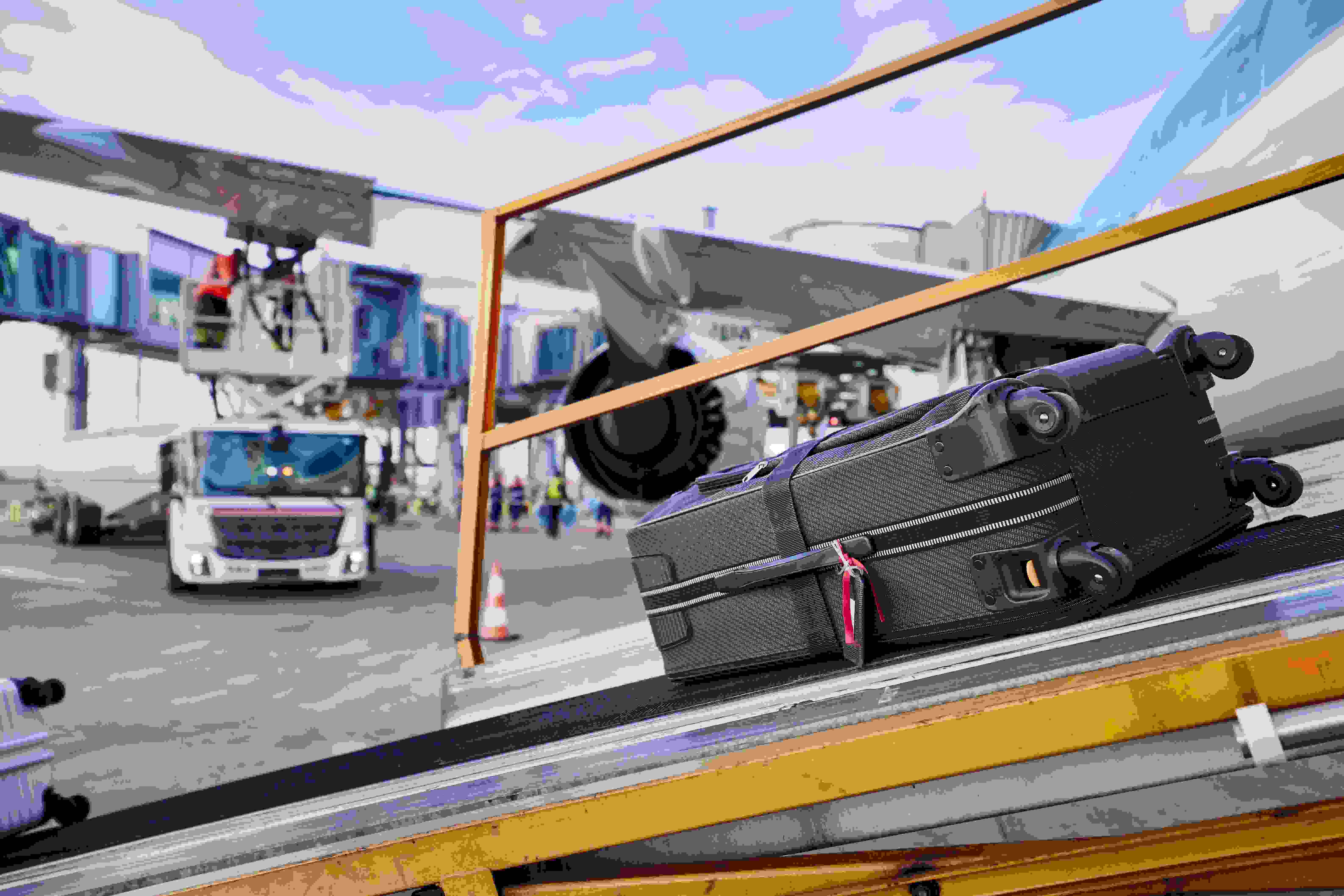
Airside operations are facing growing pressure to become more efficient, cleaner and easier to control. Baggage and cargo handling may look routine, yet every movement affects turnaround time, safety, labour planning and cost. That is why the choice between electric and conventional belt loaders deserves closer attention. For teams reviewing an electric belt loader in Singapore , the issue is no longer only about replacing fuel with batteries. It is about choosing equipment that fits environmental goals, flight schedules and long-term fleet planning. Sky Aero supports this need with ground support products and services.
Electric Vs Conventional Belt Loaders: Key Factors Modern Airports Should Compare To Understand Which One Works Better
1. Power source and apron emissions:
Electric models run on battery power, so they produce no direct exhaust during baggage or cargo loading. Lower fumes can improve conditions for handlers and reduce local emissions.
Conventional loaders, usually powered by diesel or petrol engines, remain useful where refuelling is quick and charging facilities are limited. However, they add engine noise, heat and exhaust, making them less aligned with sustainability targets.
2. Operating cost and energy use:
Electric units can reduce energy spend where charging is well managed and electricity tariffs are favourable. They also avoid fuel-handling issues, such as storage, spillage control and price volatility.
A conventional unit may cost less upfront and can be refuelled rapidly, which helps at remote stands or sites with limited electrical capacity. Yet lifetime cost should include fuel, filters, engine wear, downtime and servicing intervals. A well-planned electric fleet can deliver steadier running costs after the initial investment.
3. Turnaround performance:
Both types can move baggage efficiently when specified for belt height, load capacity and operating conditions. Electric loaders offer smooth acceleration, responsive control and quiet movement, helping operators work with more precision near aircraft.
Conventional equipment still benefits from familiar handling and longer continuous use where shifts are heavy and charging breaks are not built into rostering. The real question is whether parking, charging, inspection and dispatch support reliable turnaround performance.
4. Maintenance demands and workshop planning:
Electric loaders generally have fewer engine-related service items because there is no combustion engine oil system in the same way. This can simplify inspection routines and reduce parts linked to filters and exhaust components. Even so, batteries, chargers, electrical controls, hydraulics and safety systems still need disciplined care.
Conventional loaders require familiar mechanical servicing, and many workshops already have trained technicians. For operators arranging aircraft equipment maintenance , the best option is the one backed by qualified support, parts access and clear schedules.
5. Noise, heat and staff comfort:
Airside work is physically demanding, especially in hot weather, near running equipment and under tight departure deadlines. Electric loaders operate more quietly than engine-driven versions, reducing background noise around the stand. Less vibration and no idling exhaust can also make the working environment more comfortable for ground crew.
Conventional models may feel rugged, but the operator experience can be harsher during long shifts. Better comfort supports safer, steadier apron behaviour.
6. Infrastructure and charging readiness:
The strongest argument against immediate electrification is often infrastructure. Electric loaders need charging points, suitable power supply, parking discipline and rules that prevent units from being unavailable when needed. This requires planning between airport authorities, handlers, maintenance teams and fleet managers.
Conventional loaders are simpler to deploy in the short term because fuel logistics are already familiar. Once charging is planned properly, electric equipment becomes easier to integrate into a broader clean GSE strategy.
7. Resilience and contingency planning:
A conventional loader can be refuelled in minutes and returned to work, which is valuable during disrupted schedules. Electric units depend on battery state, charger availability and charging speed, so poor planning can create downtime. Modern fleet management can track charge levels, allocate units by duty cycle and schedule charging between peaks. Airports do not need to convert every asset overnight. A mixed fleet can provide resilience while allowing a gradual transition.
8. Suitability for Singapore’s aviation environment:
Singapore’s airside operations need dependable machines that can handle heat, humidity, heavy usage and strict safety expectations. An electric belt loader in Singapore must be assessed not only by battery capacity, but also by charger compatibility, local service response and operator training.
Conventional equipment can still perform well, especially for backup roles or sites where electrification is not ready. Future procurement should also factor in ESG reporting, workplace conditions and the availability of aircraft equipment maintenance support.
Electric belt loaders are generally the better choice for modern airports when charging infrastructure, operator training and maintenance support are in place. They offer cleaner apron operation, quieter handling and stronger alignment with sustainability goals. Conventional loaders remain useful where fast refuelling, familiar servicing or backup capacity is critical. For forward-looking operators, the best route is a phased transition led by electric units and supported by a sensible contingency plan.
When it comes to buying a loader, it is not just a product decision. It is also a support decision involving training, spare parts, commissioning, warranty handling and technical help. Operators looking for aircraft ground support equipment in Singapore should assess supplier capability as carefully as specifications. Sky Aero offers electric belt loaders as part of its comprehensive ground support equipment range, supporting aviation teams that want to improve efficiency, safety and sustainability across airside operations. Beyond equipment supply, we provide key support services such as servicing, spare parts, training and testing, helping operators keep their GSE fleet reliable throughout its working life.
Conclusion:
Moving from conventional to electric belt loaders is a strategic decision about efficiency, safety and long-term readiness. Aviation businesses need partners who understand daily pressure and fleet reliability. With years of proven ground support experience, Sky Aero helps organisations in Singapore access suitable products and service support for reliable airside operations. Contact us today .